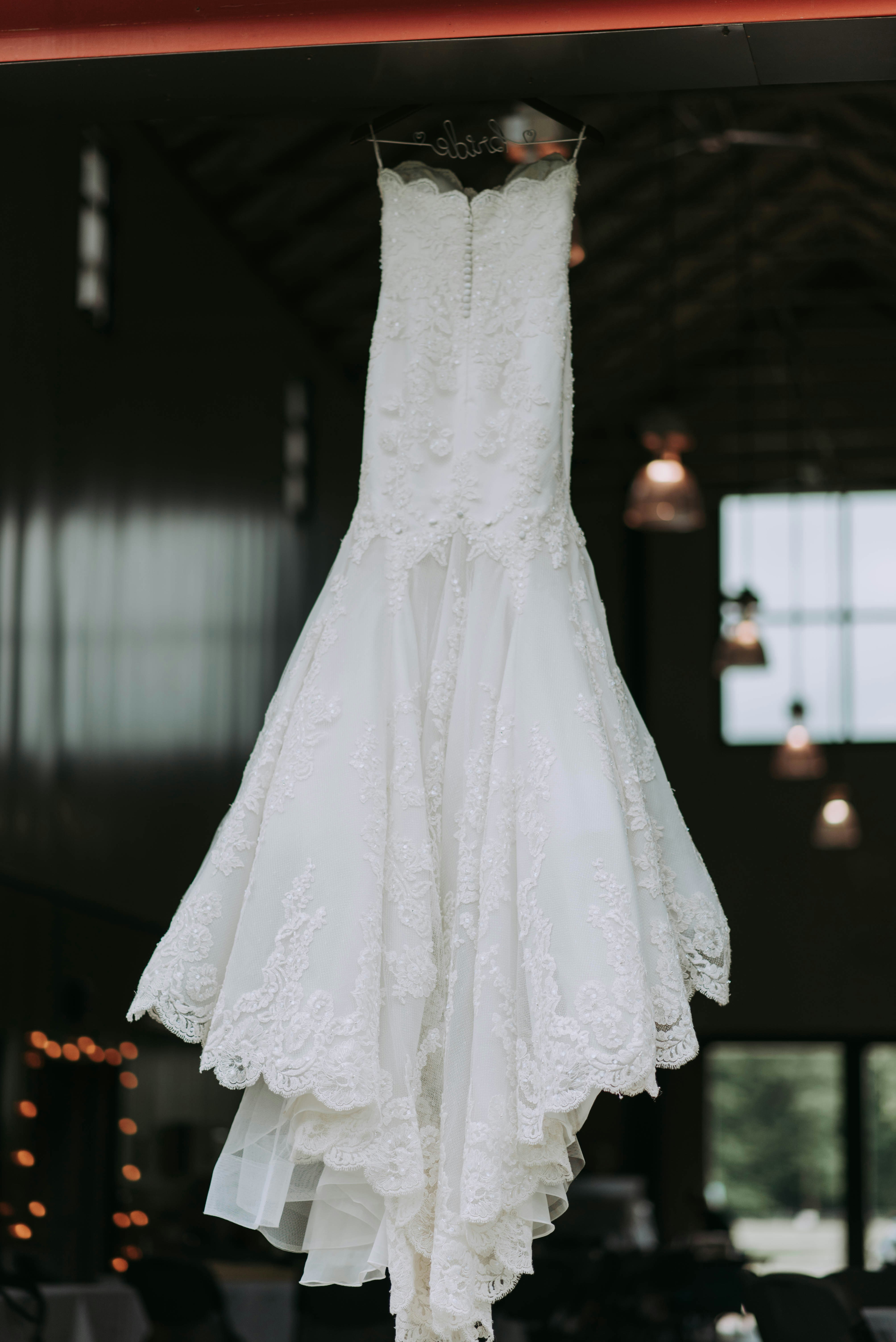
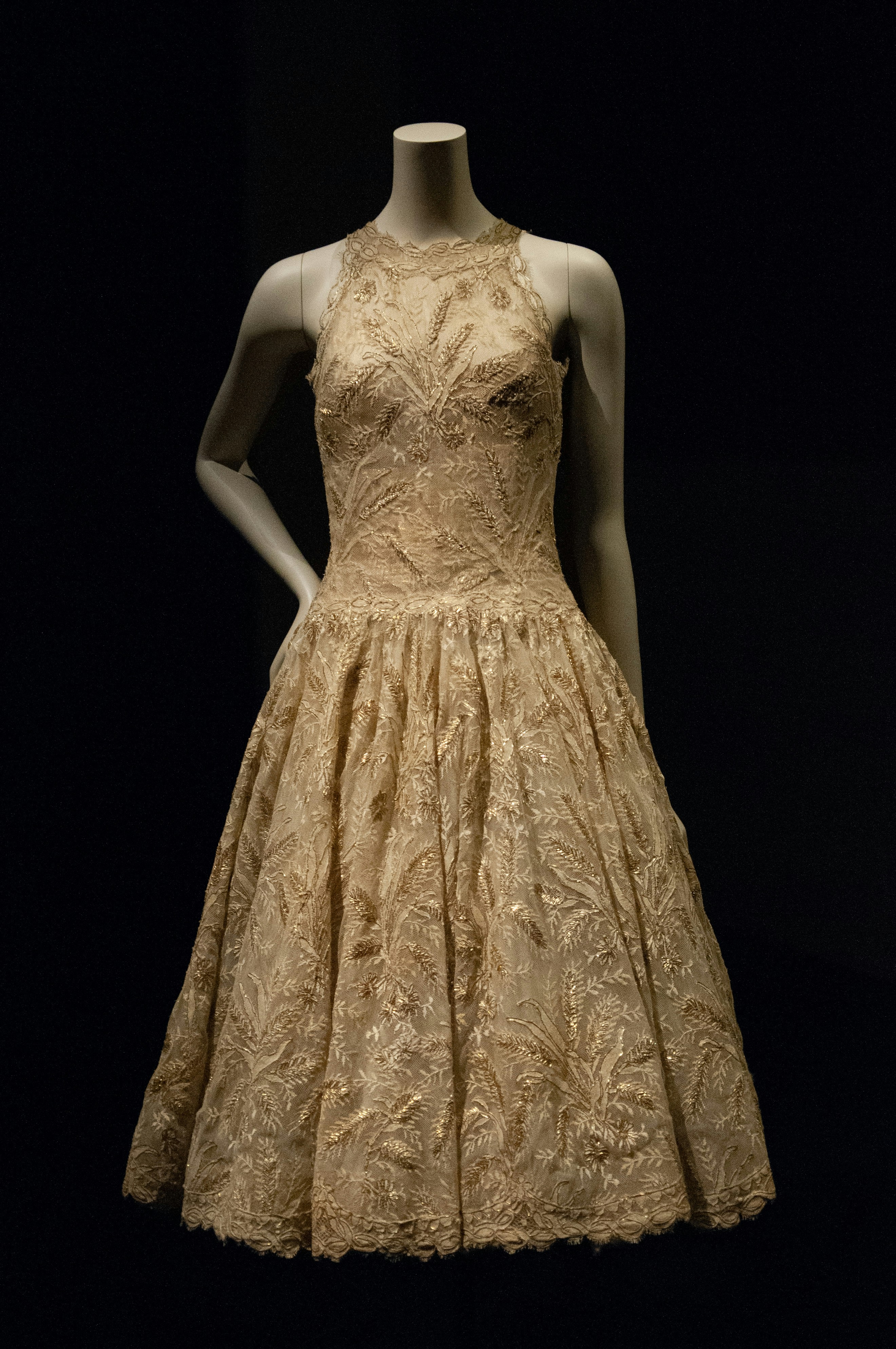
House of Drecoll (French, 1902-1931). Marguerite de Wagner (Belgian). Dress, ca. 1912. Photo by Betty Zheng, Summer 2024, The Metropolitan Museum of Art.
October 5, 2024
I was amazed by how soft and glowing this early twentieth-century dress looked. The yellow silk charmeuse caught the light in the gentlest way, while the ivory net covering it gave the whole piece a dreamy feeling, just as it is something from another time. The small embroidered flowers such as roses, poppies, and forget-me-nots added color and warmth, making the dress feel alive, as if spring itself had been stitched into the fabric.
I noticed how carefully everything was made. The layers of charmeuse, net, and taffeta worked together to create a smooth, flowing shape that must have moved beautifully when worn. The blue velvet trim stood out just enough to frame the softer colors, showing that the designer paid close attention to balance and detail. It reminded me of what I have read about older couture fashion, when clothing was made by hand and each stitch showed the maker’s skill and patience.
Looking at it, I realized that fashion can be more than just what people wear. It can tell a story about beauty, time, and human creativity. The dress felt like a quiet memory of elegance, something meant to be cherished rather than simply used. It made me think about how art can live in fabric and how style can express emotion without saying a single word.
Sources: Bolton, Andrew, Margherita Barone, Linda Borsch, William DeGregorio, Nick Knight, Stephanie L. Kramer, Rachel Lackner, et al. Sleeping Beauties: Reawakening Fashion. New York: The Metropolitan Museum of Art, 2024, p. 160-161.
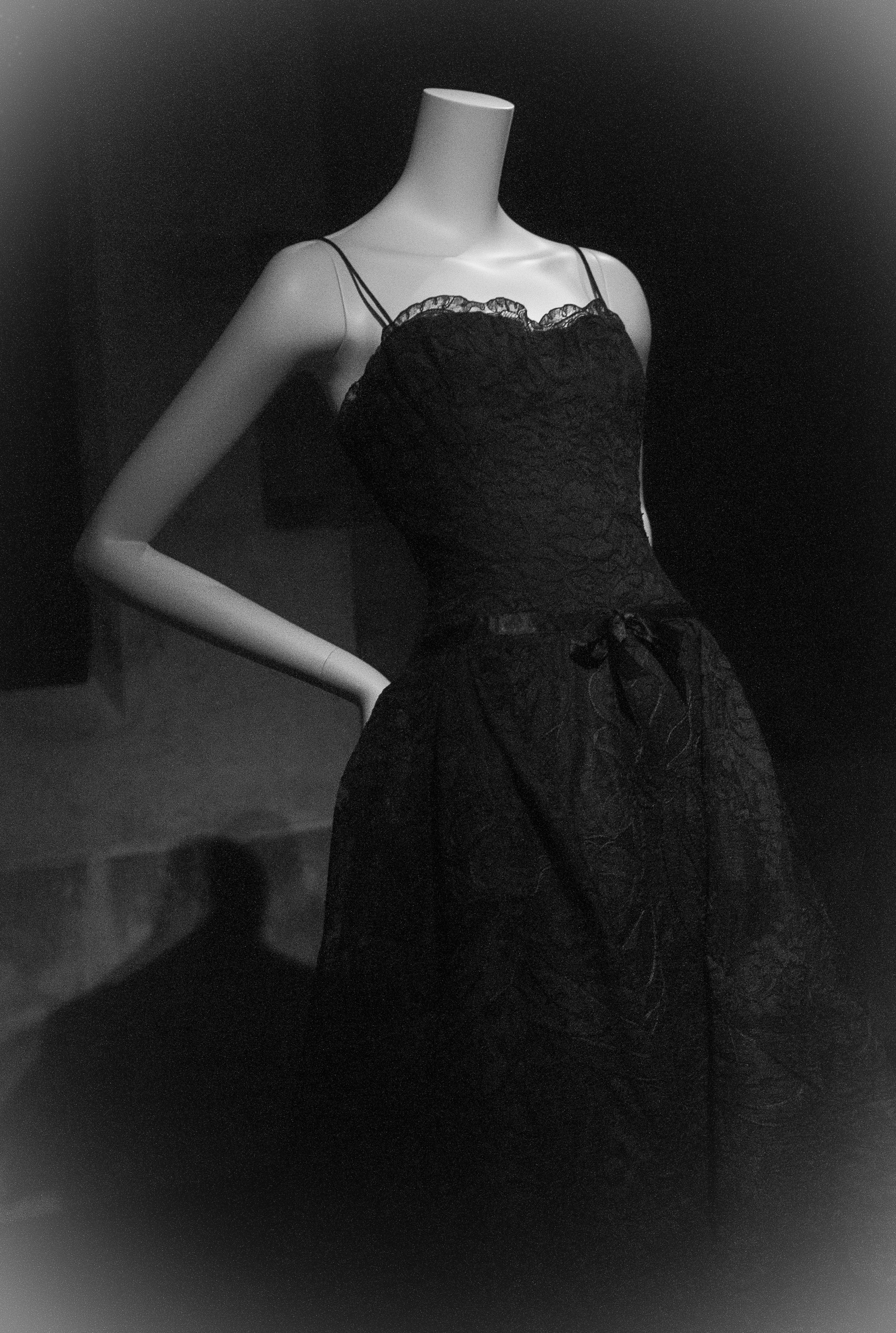
Alexander Mcqueen (British, founded 1992). Sarah Burton (British, b. 1974). Dress, spring/summer 2011. Photo by Betty Zheng, Summer 2024, The Metropolitan Museum of Art.
December 12, 2024
The dress looked alive when I saw it. The entire piece moved softly and caught the light as if it were breathing. All over the fabric were bright orange, black, and white cutouts that looked like monarch butterflies. The colors were so bright that it almost seemed like the butterflies could fly away. When the dress moved, the patterns shimmered and turned each small motion into something beautiful.As I looked closer, I noticed how carefully the butterflies were placed. Each one was slightly different, as if they had landed there by chance. The bright orange stood out against the dark background, glowing like fire in the middle of night. It surprised me how something made of silk and paint could hold so much energy and movement.
The dress made me realize how fashion can turn art into something you can wear. It showed me that clothing can tell stories about nature, freedom, and change. Even after I looked away, I could still imagine the butterflies in motion, as if the dress carried a living spirit that refused to stay still.
Sources: Bolton, Andrew, Margherita Barone, Linda Borsch, William DeGregorio, Nick Knight, Stephanie L. Kramer, Rachel Lackner, et al. Sleeping Beauties: Reawakening Fashion. New York: The Metropolitan Museum of Art, 2024, p. 281.
Maison Martin Margiela (French, founded 1988). Ensemble, autumn/2014-2015. Photo by Betty Zheng, Summer 2024, The Metropolitan Museum of Art.
March 3, 2025
When I look at the dress, I start to think about how the craft of dress can change and take new shapes. A painting can become a piece of clothing, and color can turn into fabric and thread. The blue and black beads shines softly, like water at night. Across it, small colorful beads, pearls, and sequins form the pattern of Van Gogh’s Irises. The shapes twist like flowers in the wind, full of movement and life. Below, the beige silk chiffon skirt falls quietly, like calm earth under a bright garden.
The more I looked, the more I saw how much work and care went into it. Every bead and stitch seemed placed with purpose. When the light hit it, the dress sparkled gently, almost as if it were breathing. Even though it was made of plastic and glass, it felt full of warmth and emotion.
This dress made me think about how beauty can travel from one kind of art to another. A painting does not have to stay on a wall; it can become something someone wears. Standing there, I felt peaceful and amazed that fabric, color, and patience could come together to tell the same story in a new way.
Sources: Bolton, Andrew, Margherita Barone, Linda Borsch, William DeGregorio, Nick Knight, Stephanie L. Kramer, Rachel Lackner, et al. Sleeping Beauties: Reawakening Fashion. New York: The Metropolitan Museum of Art, 2024, p. 64-65.